

Coffee Table Size Guide: Choosing the Perfect Coffee Table for Any Living Room
Posted by Posted by eFurnitureHouse on 23rd Jun 2026
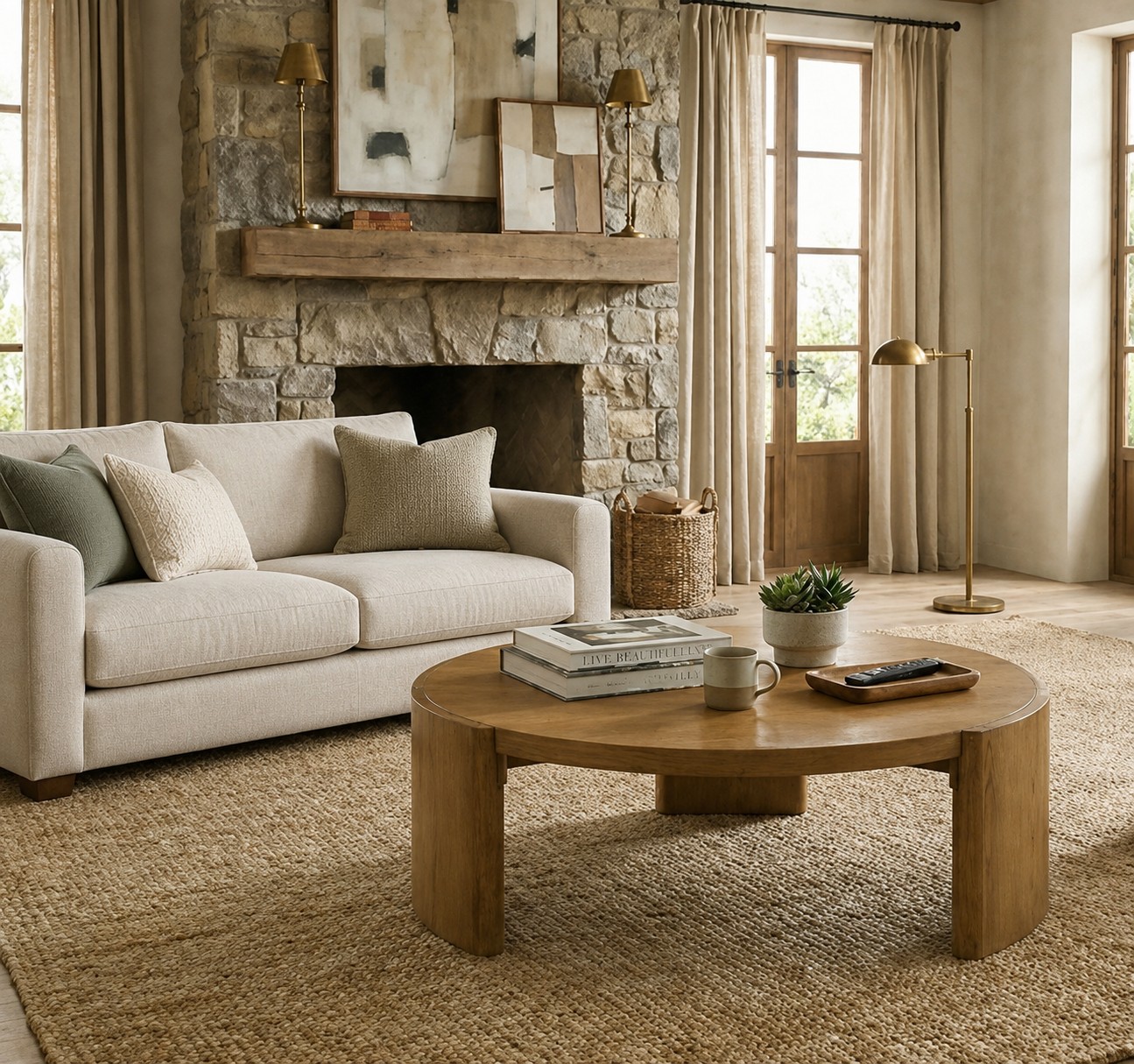
Selecting the right coffee table can completely transform the look and functionality of your living room. While style is important, choosing the proper size is equally critical. A coffee table that is too large can make a room feel crowded, while one that is too small may appear out of proportion and offer limited usability.
The ideal coffee table should complement your seating arrangement, provide convenient surface space, and maintain comfortable traffic flow throughout the room. Whether you are furnishing a compact apartment, a family room, or a large open-concept living space, understanding coffee table dimensions and placement guidelines can help you make a confident decision.
In this guide, we'll explain standard coffee table sizes, ideal spacing recommendations, popular shapes, materials, and how to select the perfect coffee table for your specific room layout.
Standard Coffee Table Dimensions
Most coffee tables fall within a fairly predictable size range, making it easier to find one that complements your furniture.
Typical coffee table dimensions include:
- Length: 36" to 54"
- Width: 18" to 30"
- Height: 16" to 18"
These dimensions work well with most sofas and living room seating arrangements. However, larger sectionals and oversized seating may require a larger coffee table to maintain visual balance.
Rather than focusing solely on standard measurements, it is important to consider the size of your sofa, room dimensions, and how you plan to use the table.
How Long Should a Coffee Table Be?
One of the most widely accepted design rules is that a coffee table should be approximately two-thirds the length of your sofa.
Examples:
- 72-inch sofa = approximately 48-inch coffee table
- 84-inch sofa = approximately 56-inch coffee table
- 90-inch sofa = approximately 60-inch coffee table
Following this guideline helps create visual harmony between the seating and the table while ensuring the table remains easily accessible from multiple seating positions.
If your coffee table is significantly shorter than the sofa, it may appear undersized and disconnected from the furniture arrangement.
Ideal Distance Between a Sofa and Coffee Table
Proper spacing is essential for both comfort and functionality.
Interior designers typically recommend leaving:
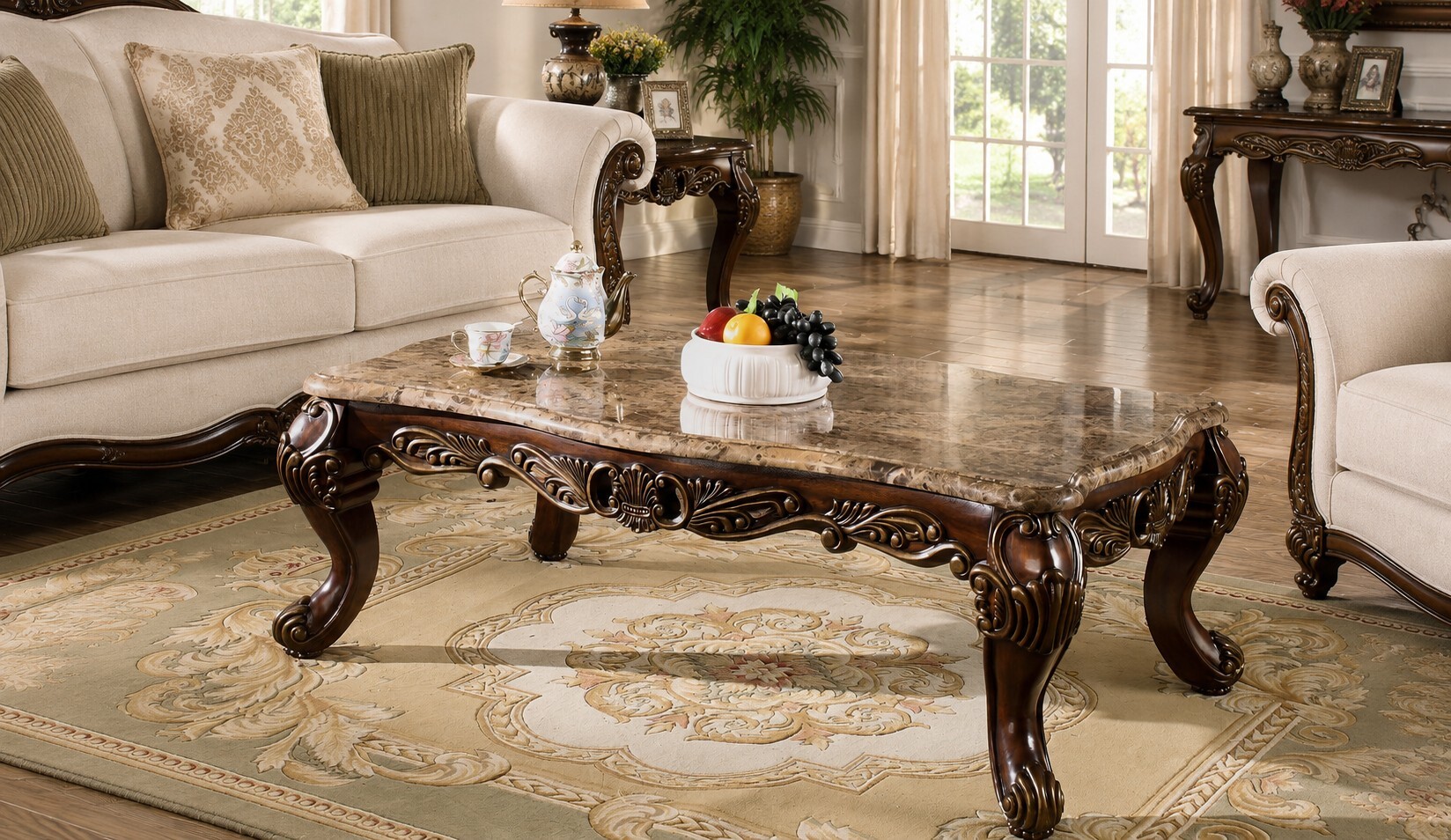
14 to 18 inches between the front edge of the sofa and the coffee table.
This distance allows:
- Easy access to drinks and accessories
- Comfortable legroom
- Convenient movement around the seating area
Leaving less than 12 inches can make the space feel cramped, while distances greater than 20 inches may reduce convenience.
Choosing the Right Coffee Table Height
Coffee table height often has a greater impact on comfort than many homeowners realize.
The general recommendation is:
- Equal to sofa cushion height
- Or up to 2 inches lower than the sofa seat
Most sofas have seat heights ranging between 17 and 19 inches, which explains why most coffee tables fall within the 16 to 18-inch height range.
A table that is significantly taller than the sofa can feel awkward, while one that is too low may become inconvenient for everyday use.
Round vs. Rectangular Coffee Tables
Round Coffee Tables
The shape of your coffee table influences both functionality and visual appeal.
Round Coffee Tables Round coffee tables are ideal for:
- Small living rooms
- Apartments
- Homes with children
- Rooms with heavy foot traffic
Benefits include:
- Improved traffic flow
- No sharp corners
- Softer visual appearance
- Better use of compact spaces
Rectangular Coffee Tables
Rectangular coffee tables are ideal for:
- Traditional living rooms
- Larger seating arrangements
- Sectional sofas
- Long sofas
Benefits include:
- Greater surface area
- Better proportional balance with longer sofas
- More storage opportunities
Choosing between round and rectangular designs often depends on room size, furniture layout, and personal style preferences.

Best Coffee Tables for Small Living Rooms
Small living rooms benefit from furniture that maximizes functionality while maintaining an open feel.
Popular options include:
Round Coffee Tables
Round designs create better flow and eliminate sharp corners that can make a room feel crowded.
Glass Coffee Tables
Glass surfaces visually open up the room and help smaller spaces feel larger.
Nesting Coffee Tables
Nesting tables provide flexibility by allowing additional surfaces when needed while saving space when not in use.
Storage Coffee Tables
Lift-top and storage coffee tables offer hidden compartments that help reduce clutter.
Coffee Tables for Large Living Rooms
Larger rooms require furniture that can adequately fill the available space without appearing undersized.
Excellent options include:
- Oversized rectangular coffee tables
- Large square coffee tables
- Dual coffee table arrangements
- Statement coffee tables with substantial visual weight
A larger coffee table can help anchor the seating arrangement and create a more cohesive room design. Explore our sofa and end tables to complete the living room decor
Popular Coffee Table Materials
Material selection influences durability, maintenance requirements, and overall style.
Solid Wood Coffee Tables
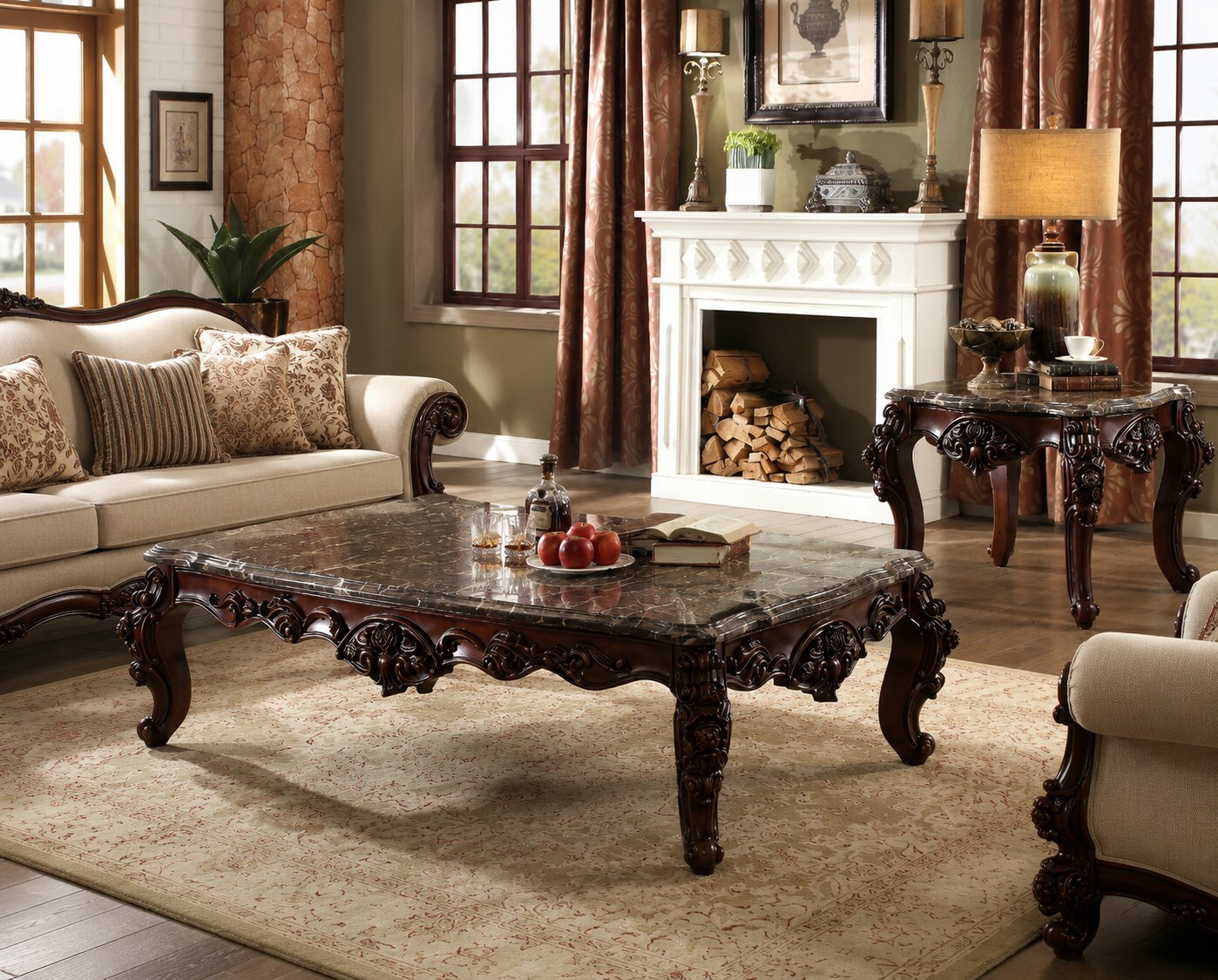
Solid wood remains one of the most popular choices because of its durability and timeless appearance.
Benefits include:
- Long-lasting construction
- Natural beauty
- Versatile styling options
Glass Coffee Tables
Glass coffee tables offer a lighter visual footprint and complement modern interiors.
Benefits include:
- Bright appearance
- Modern aesthetics
- Excellent for smaller rooms
Metal Coffee Tables
Metal frames often provide an industrial or contemporary appearance.
Benefits include:
- Strength and durability
- Minimal maintenance
- Modern styling
Mixed-Material Designs
Combining wood, metal, and glass can create unique transitional styles that work across various décor themes.
Coffee Table Styles for Different Homes
Choosing a style that complements the rest of your furniture creates a more cohesive design.
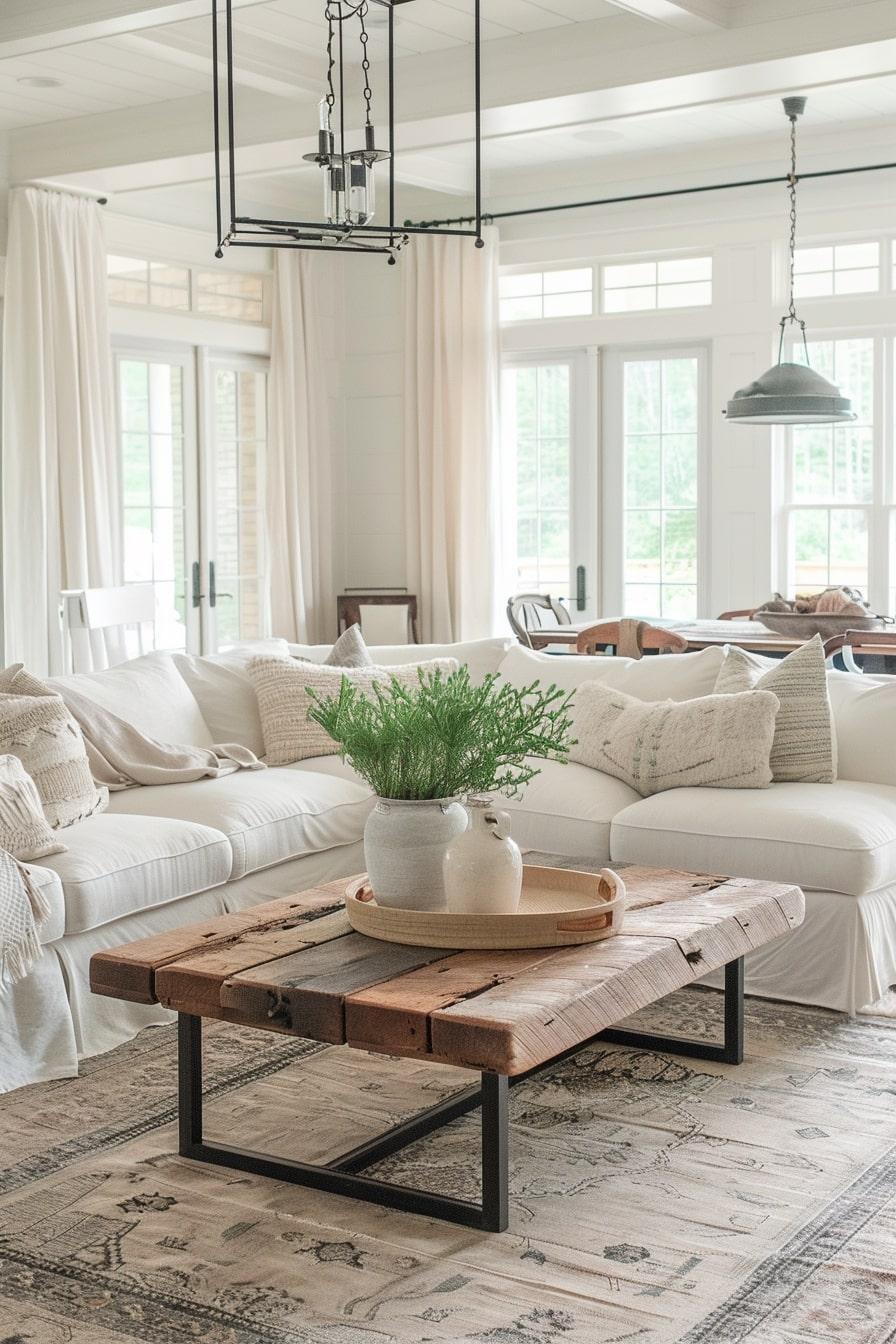
Farmhouse Coffee Tables
Features:
- Distressed finishes
- Natural wood textures
- Rustic charm
Modern Coffee Tables
Features:
- Clean lines
- Minimalist design
- Sleek finishes
Industrial Coffee Tables
Features:
- Metal frames
- Reclaimed wood accents
- Urban-inspired styling
Transitional Coffee Tables
Features:
- Balanced design elements
- Broad decorating flexibility
- Timeless appeal
How to Measure Your Living Room for a Coffee Table
Before purchasing a coffee table:
- Measure your sofa length.
- Determine ideal coffee table length using the two-thirds rule.
- Measure available walking space.
- Maintain 14 to 18 inches between seating and table.
- Verify the table height aligns with your sofa cushions.
Taking these simple measurements helps avoid common sizing mistakes and ensures a more functional layout.
Final Thoughts
The right coffee table balances style, scale, and functionality. By selecting a table that complements your seating arrangement, maintains proper spacing, and suits your lifestyle, you can create a living room that feels both comfortable and visually appealing.
Whether you prefer a farmhouse wood coffee table, a modern glass design, or a versatile storage solution, understanding size and placement guidelines can help you choose a piece that enhances your home for years to come.
Frequently Asked Questions
What size coffee table works best with a sectional sofa?
Rectangular and oversized square coffee tables typically work best with sectionals because they provide greater surface area and complement larger seating arrangements.
How much space should be between a sofa and a coffee table?
Most designers recommend maintaining 14 to 18 inches between the sofa and coffee table for comfort and accessibility.
Should a coffee table be higher or lower than the sofa?
Ideally, a coffee table should be the same height as the sofa cushions or up to two inches lower.
Are round coffee tables better for small living rooms?
Yes. Round coffee tables improve traffic flow and often make smaller spaces feel more open and inviting.
What is the most popular coffee table material?
Solid wood remains one of the most popular choices because of its durability, versatility, and timeless appearance.